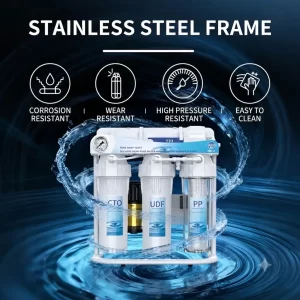
Best Water Purifier for Families with Babies, Elderly, or Pregnant Women

arancia
July 9, 2026 • 20 min read
For households with infants, pregnant women, or elderly members, the best water purifier is a reverse osmosis (RO) system — it removes up to 98% of dissolved contaminants including lead, nitrates, PFAS, fluoride, and bacteria, which standard pitcher filters and basic carbon systems cannot address. In the 2026 market, comparable tankless imported RO systems run $280–$600 upfront, with annual filter costs of $80–$200 and a three-year total cost of ownership of $550–$1,100. Watpur sits meaningfully below that range while meeting the same certification and build standards.
The challenge most families face isn’t finding the best water purifier — it’s understanding which contaminants are actually dangerous for their specific household member, and why the filter type matters. Lead, nitrates, and PFAS don’t affect a healthy adult liver the same way they affect a developing fetal nervous system or an infant’s kidneys. A carbon block pitcher that adequately reduces chlorine taste for a healthy adult may offer near-zero protection against the contaminants that pose the highest risk to vulnerable family members.
This guide explains which water contaminants are most dangerous for each at-risk group, why RO filtration is the appropriate solution, what the real costs look like, and how to match the right system to your household.
| Product Type | Suitable For | Device Price (retail ref.) | Annual Filter Cost | 3-Year TCO |
|---|---|---|---|---|
| RO Water Purifier (imported) | Babies, pregnant women, elderly | $280–$600 | $80–$200 | ~$550–$1,100 |
| Carbon Block Filter | Healthy adults, chlorine/odor only | $30–$80 | $20–$40 | ~$90–$200 |
| UV-Only Purifier | Bacteria concerns, low-TDS water | $50–$150 | $20–$50 | ~$110–$300 |
| Pitcher Filter | Mild taste improvement only | $20–$60 | $60–$120 | ~$200–$420 |
→ View the Watpur RO Water Purifier — 100G, 400G, and 600G models available
Why the Best Water Purifier for Vulnerable Households Is Not a Standard Filter
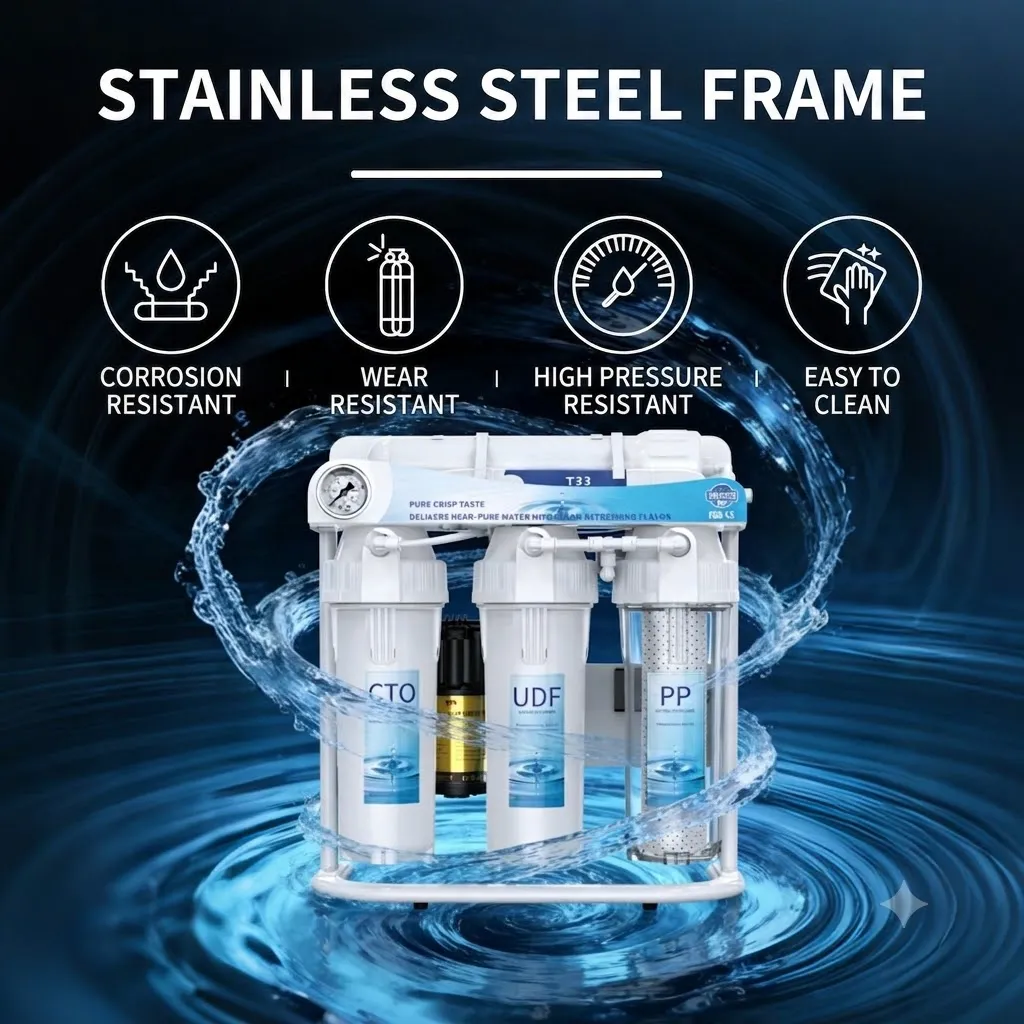
Municipal tap water that meets regulatory safety thresholds for healthy adults is not necessarily safe for infants, fetuses, or elderly individuals with reduced organ function. The reason is physiological, not regulatory: EPA and WHO drinking water limits are calibrated to the average healthy adult body mass and metabolic capacity. Three groups fall meaningfully outside that baseline.
Best Water Purifier for Babies: Why Infant Risk Is 4–10x Higher
Infants consume 2–3 times more water per pound of body weight than adults, and their developing kidneys, immune systems, and brains are significantly more sensitive to contaminants like lead, nitrates, and fluoride. This isn’t precautionary overstatement — it reflects how infant bodies actually process dissolved substances.
Lead is the clearest example. There is no established safe level of lead exposure for children. Lead is a neurotoxin, and even trace amounts can cause permanent brain and nervous system damage in infants and young children. Standard carbon pitcher filters are not certified to remove dissolved lead ions — only RO membranes and specific NSF/ANSI 53-certified filters reliably do so. When choosing the best water purifier for formula preparation, lead removal capability is non-negotiable.
Nitrates pose a distinct infant-specific risk. In high concentrations, nitrates can cause infant methemoglobinemia — commonly known as blue baby syndrome — a condition where blood loses the ability to carry oxygen effectively. Critically, boiling water does not remove nitrates; it concentrates them as water volume reduces through evaporation. If your household uses well water, private testing for nitrates is essential, as municipal treatment limits do not apply.
Fluoride and dental fluorosis are a third concern specific to formula-fed infants. Regularly mixing formula with fluoridated tap water can raise the risk of mild dental fluorosis. The Academy of General Dentistry recommends using water from a reverse osmosis filter system when diluting infant formula, since RO reduces fluoride to levels well below the CDC’s recommended threshold of 0.7 ppm for infant consumption.
The practical implication: for formula-fed infants, a carbon pitcher filter is inadequate. The best water purifier for babies addresses all three — lead, nitrates, and fluoride — in a single system. Only RO does that.
Best Water Purifier for Pregnant Women: Protecting Two Bodies with One Filter
During pregnancy, water quality affects both the mother and the developing fetus — and several contaminants cross the placental barrier directly. Lead is among the most concerning: it crosses the placenta and can affect fetal neurodevelopment at exposure levels that produce no detectable symptoms in the mother. There is no established safe level of lead exposure during pregnancy.
Beyond lead, PFAS compounds (per- and polyfluoroalkyl substances) present a growing concern. Research links PFAS exposure to developmental defects, disrupted hormonal function, and elevated cancer risk — and these compounds accumulate in body tissue rather than being cleared efficiently. RO membranes are currently the most effective consumer technology for PFAS reduction, removing over 90% of these compounds under standard operating conditions, making RO the best water purifier choice for expectant mothers.
A third benefit specific to pregnant women is practical: many experience heightened sensitivity to taste and smell, making chlorinated tap water difficult to drink in the volumes needed for healthy pregnancy hydration. The recommended intake during pregnancy is 2–3 liters of fluid per day. Filtered water that tastes clean removes a real barrier to maintaining that intake — particularly during the first trimester when nausea compounds the challenge.
Best Water Purifier for Elderly Family Members: When Kidneys Can No Longer Compensate
A healthy adult kidney filters approximately 180 liters of blood per day and compensates effectively for moderate contaminant loads. Kidney function declines roughly 1% per year after age 40, and more significantly in individuals with hypertension, diabetes, or chronic kidney disease — conditions prevalent in older populations. The result: contaminant concentrations that a younger adult excretes efficiently may accumulate in an elderly person’s system over months or years.
Heavy metals — lead, cadmium, arsenic — are the primary concern. These accumulate in bone and soft tissue, and reduced renal clearance means even modest daily exposure can reach damaging cumulative loads over time. Chlorination byproducts (trihalomethanes, or THMs) generated during municipal water treatment are also a relevant long-term exposure concern for elderly individuals with reduced detoxification capacity. For this group, the best water purifier is one that addresses both dissolved heavy metals and disinfection byproducts simultaneously — which points directly to RO.
One practical note for elderly household members managing cardiovascular or blood pressure conditions: water softeners — which exchange calcium and magnesium ions for sodium — may be clinically inappropriate for individuals on low-sodium diets. RO filtration does not add sodium. It removes dissolved ionic compounds, making it compatible with sodium-restricted dietary protocols in a way that softeners are not.
Why Carbon Filters and Pitchers Are Not the Best Water Purifier for High-Risk Households
Show Image
Not all filtration technologies address the same contaminants, and the gap between what a household needs removed and what different systems actually remove is the most important pre-purchase decision for families with at-risk members.
What Carbon Filters Can and Cannot Do
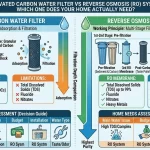
Carbon block and granular activated carbon (GAC) filters excel at removing chlorine, chloramines, volatile organic compounds (VOCs), and improving taste and odor. For healthy adults in low-TDS municipal water areas, they are appropriate and cost-effective. However, they do not reliably remove lead ions, nitrates, fluoride, PFAS, dissolved heavy metals, or bacteria — the exact contaminants that pose the highest documented risk to infants, fetuses, and elderly individuals with reduced kidney function. For these households, a carbon filter is simply not the best water purifier option available.
Pitcher filters carry an additional limitation: short water contact time and small media volume further reduce effectiveness against dissolved ionic contaminants. A pitcher that reduces chlorine taste by 90% may reduce lead by less than 20% — a gap that matters acutely when preparing infant formula.
Why RO Is the Best Water Purifier Standard for These Households
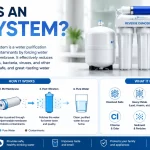
The RO membrane operates at 0.0001 micrometers — fine enough that only individual water molecules pass through, while dissolved lead ions, nitrate compounds, fluoride, PFAS, bacteria, and pharmaceutical residues are rejected and flushed to drain. TDS reduction reaches up to 98% under standard operating conditions, bringing 300–400 ppm tap water down to 6–12 ppm at the outlet.
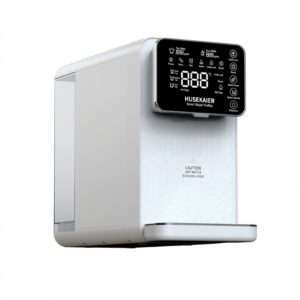
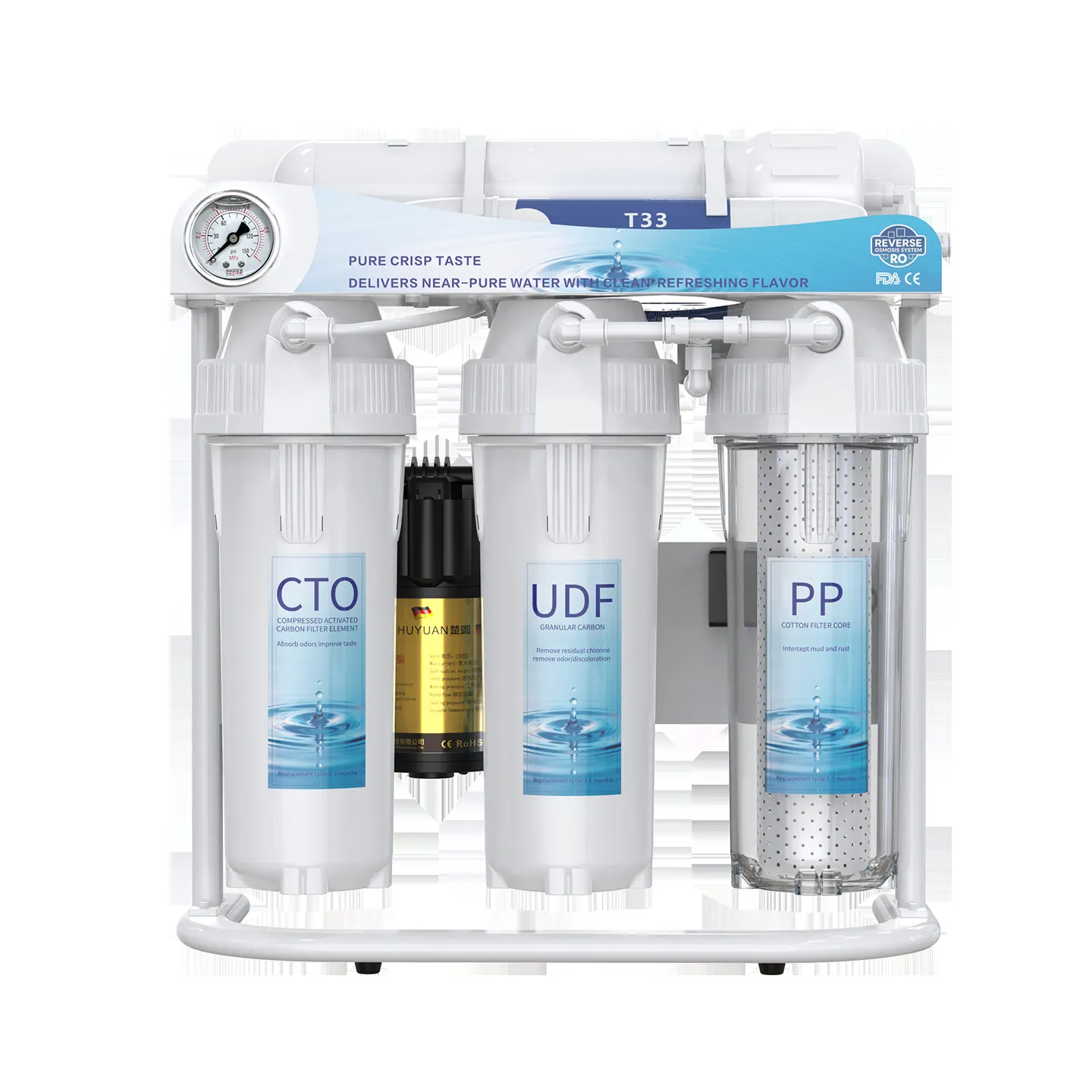
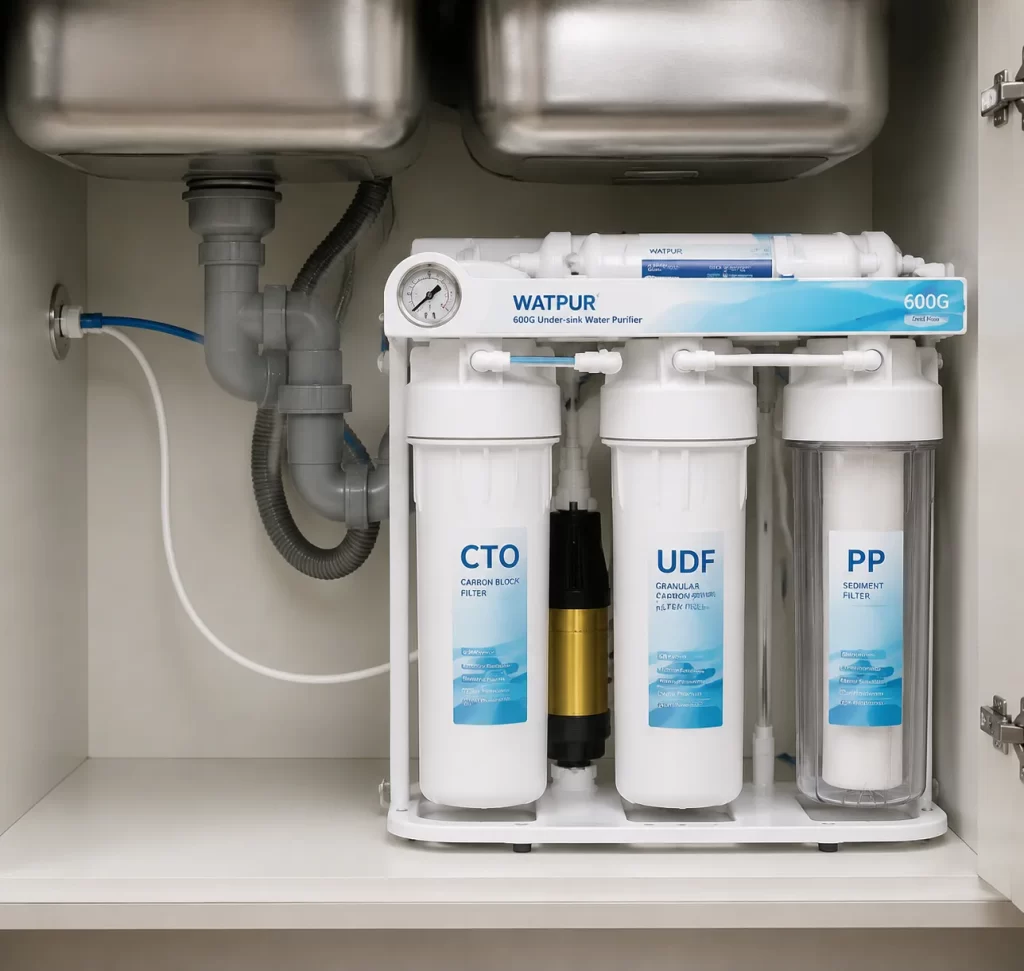
The Watpur RO water purifier adds one design feature that makes it the best water purifier choice specifically for infant households: a tank-free, on-demand architecture. Conventional RO systems store purified water in a pressurized holding tank where stagnant water creates conditions for bacterial regrowth — a risk that can defeat the purpose of purification for the most vulnerable household members. Tank-free delivery means water is processed at the moment of use, eliminating secondary contamination between the membrane and the tap.
The system also routes pre-filtered water (Stages 1–3 only) to a secondary outlet for washing vegetables and rinsing dishes — meaning the RO membrane handles only drinking-volume demand, extending membrane service life compared to systems that route all kitchen water through the membrane.
→ View the Watpur RO Water Purifier
Certifications: How to Confirm You Have the Best Water Purifier, Not Just the Best Marketing
For households with at-risk members, independent certification is the only reliable way to distinguish genuine contaminant reduction from marketing claims.
Which Certifications Matter Most
NSF/ANSI 58 covers the complete RO system and verifies TDS rejection and contaminant reduction claims under standardized laboratory conditions. This is the primary certification to look for on any residential RO water purifier.
NSF/ANSI 53 certifies specific health-effects contaminant reduction — including lead, cysts, and VOCs. A system holding both NSF 58 and NSF 53 listings provides the most comprehensively documented protection for high-risk households.
NSF/ANSI 372 certifies that wetted components — faucets, fittings, internal lines — are lead-free. For households buying a purifier specifically to reduce lead exposure, this certification on the delivery hardware closes an otherwise overlooked contamination path.
The Watpur RO system holds CCC certification (China Compulsory Certification, covering electrical safety), ISO 9001 quality management certification, and a provincial health permit (Certificate No.: Yue Wei Shui Zi [2024]-02-S0439) — a regulatory requirement for legal household water purification sales in the Chinese domestic market.
How to Verify as a Consumer
Look up any NSF certification number directly at nsf.org/certified-products. Search by brand name and confirm the specific model is listed — not just the membrane or a single component. Be cautious of product pages displaying NSF logos without a verifiable certificate number, or language such as “NSF-equivalent tested” or “meets NSF standards” — these phrases indicate the product was not independently certified.
Choosing the Best Water Purifier Capacity for Your Household
Matching Output to Daily Demand
RO output capacity is measured in gallons per day (GPD). For households with formula-fed infants, daily purified water demand is higher than most families expect: a newborn consuming 6–8 bottles per day at 180–240ml each requires approximately 1.5–2 liters of purified water daily — before the rest of the household’s drinking needs.
| Model | Daily Output | Best Fit |
|---|---|---|
| Watpur 100G | ~380 L/day | 1–2 people; couples expecting a first child |
| Watpur 400G | ~570 L/day | Family of 3–4 with infant; most popular |
| Watpur 600G | ~760 L/day | 5+ people; multi-generational households |
For a multi-generational household with both a newborn and elderly grandparents, the 600G is the best water purifier capacity choice — it sustains full-purity output across peak morning demand without pressure drop. All three models support wall-mounted, countertop, and under-sink installation within a 360 × 210 × 450 mm footprint. Most households complete self-installation in under 30 minutes.
When to Add the UV Sterilizer (Stage 7)
The UV sterilizer adds a 99.9% pathogen kill rate at the point of use by exposing output water to ultraviolet light that disrupts bacterial and viral DNA — without adding any chemicals. Add it when:
- Newborns are under 3 months old
- Pregnant women are in the third trimester preparing for formula feeding
- Elderly members have compromised immune function
- Building distribution pipes are older than 20 years
Annual UV lamp replacement runs approximately $15–$25 — a meaningful safety addition at minimal incremental cost.
What the Best Water Purifier Actually Costs to Own: 3-Year TCO
The 2026 market for comparable tankless imported RO systems puts device pricing at $280–$600, annual filter costs at $80–$200, and RO membrane replacement at $30–$60 per swap. Watpur delivers the same best water purifier performance and certification standard at a price point below this market range on both device and consumable costs.
| Cost Item | Market Reference (imported systems) | Watpur (reference) |
|---|---|---|
| Device purchase | $280–$600 | Contact us for current pricing |
| Annual filter cost (Stages 1–3, 5) | $80–$200/year | Below market range |
| RO membrane (every 12–24 months) | $30–$60/replacement | Below market range |
| UV lamp (annual, if installed) | $15–$25/year | Same range |
| Water usage increase | ~$5–$15/year | Same |
| 3-Year TCO | ~$550–$1,100 | Below market range |
For context: a formula-fed infant consuming 1.5–2 liters of purified water daily from bottled water at $1.50 per 1.5L costs $550–$730 per year in water alone — before the rest of the household’s drinking needs. Even at the top of the market range, the $1,100 three-year RO TCO is less than two years of formula-water bottled costs. Watpur’s pricing compresses that payback period further.
→ Contact us for current Watpur pricing and availability
Conclusion
For any household with a baby, pregnant woman, or elderly family member, the best water purifier is not a marketing decision — it is a physiological one. Carbon filters address taste and odor. The best water purifier for these three groups addresses lead, nitrates, PFAS, fluoride, bacteria, and dissolved heavy metals at the filtration depth that pitcher and carbon systems cannot reach. RO is that standard, and Watpur delivers it below the typical imported system price point without compromising on certification or build quality.
Three steps before you order:
- Test your tap water TDS and request your local water quality report. TDS above 200 ppm, or a building older than 30 years, makes RO the appropriate solution rather than a preference.
- Match model to household size. 1–2 people → 100G; family of 3–4 with infant → 400G; multi-generational household → 600G.
- Add UV if newborns or immunocompromised members are present. The $15–$25 annual lamp cost provides a biological safety net the membrane alone cannot guarantee.
→ View the Watpur RO Water Purifier and choose your model
FAQ
Q1: What is the best water purifier for making baby formula?
An RO system is the best water purifier for formula preparation because it simultaneously removes lead, nitrates, fluoride, and bacteria — the four contaminants with the highest documented risk for infants. Carbon pitcher filters remove chlorine and improve taste but do not reliably address any of these four. The Academy of General Dentistry specifically recommends RO-filtered water for diluting infant formula. For newborns under 2 months, consult your pediatrician about whether boiling remains advisable as an additional step.
Q2: Does the best water purifier for babies remove minerals they need?
Yes — RO removes calcium and magnesium alongside contaminants. For formula-fed infants this is not a nutritional concern: formula is nutritionally complete and supplies all required minerals regardless of water mineral content. For babies over 6 months who begin drinking water directly, the Watpur Stage 6 mineral ball reintroduces calcium and magnesium at controlled concentrations to RO-purified output.
Q3: Is an RO water purifier safe for elderly people on low-sodium diets?
Yes — and specifically more appropriate than a water softener. Softeners add 20–100 mg of sodium per liter depending on source water hardness, which is clinically relevant for elderly individuals managing hypertension or heart failure on low-sodium protocols. RO removes dissolved ionic compounds without adding sodium, making it the best water purifier option for sodium-restricted dietary needs.
Q4: How do I know if my tap water has lead, even if it looks clean?
Lead has no color, taste, or smell and cannot be detected without testing. The most common residential source is corrosion from older service lines or plumbing fixtures with lead solder. If your home was built before 1986 in the US — or before equivalent local regulations elsewhere — testing is strongly recommended. Certified water test kits are available at hardware stores, and many municipal utilities offer free lead testing on request.
Q5: What makes RO the best water purifier compared to a pitcher filter for a household with a newborn?
The difference is in what each technology actually removes. A carbon pitcher reduces chlorine and improves taste — it does not reliably remove lead, nitrates, fluoride, PFAS, or bacteria. These are exactly the contaminants with documented harmful effects on infant development. RO addresses all of them in a single system. Choosing a pitcher filter over RO to reduce upfront cost means accepting a meaningful protection gap against the highest-risk contaminants for that specific use case.