What Is an RO System? How Reverse Osmosis Works, What It Removes, and Whether Your Home Needs One

arancia
July 16, 2026 • 18 min read
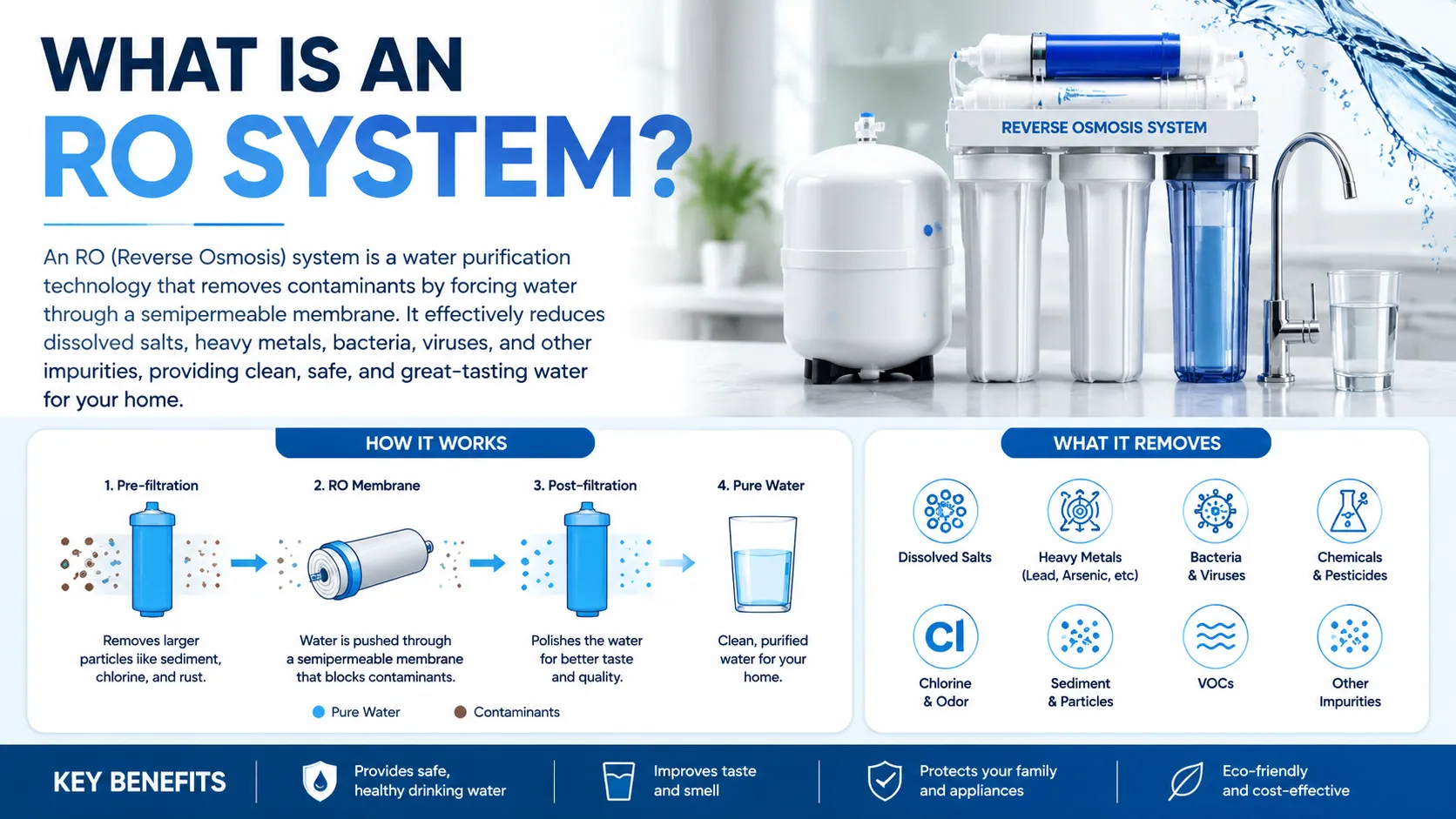
An RO system — short for reverse osmosis system — is a multi-stage home water purification device that forces tap water through a semipermeable membrane with pores of 0.0001 micrometers, removing up to 98% of total dissolved solids including lead, nitrates, fluoride, PFAS, arsenic, and bacteria. It is the most comprehensive point-of-use water filtration technology available for residential use, and the only consumer method that removes dissolved ionic contaminants that carbon filters, pitcher filters, and UV systems cannot touch.
Understanding what an RO system actually does — and what it doesn’t — matters because it’s one of the most commonly misunderstood home water products. Some households buy one when a simple carbon filter would solve their problem at a fraction of the cost. Others assume their carbon pitcher is doing the same job. This guide explains how an RO system works, what’s inside one, what it removes and what it doesn’t, how the tank-free design changes the safety calculation, and how to decide whether your household actually needs one.
How an RO System Works: The Science in Plain Language
Reverse osmosis works by reversing a naturally occurring process. In normal osmosis, water moves across a membrane from a less concentrated solution toward a more concentrated one — driven by osmotic pressure, the same force that helps plant roots absorb water from soil. An RO system applies external water pressure in the opposite direction, forcing tap water from the concentrated (contaminated) side through a semipermeable membrane to the clean side, while dissolved contaminants are left behind and flushed to drain.
The membrane itself is the critical component. At 0.0001 micrometers, the pore size is fine enough that only individual water molecules pass through. Lead ions, nitrate compounds, fluoride, PFAS molecules, arsenic, dissolved salts, bacteria, and pharmaceutical residues are physically too large or too charged to cross — they are concentrated in a reject stream and routed to drain. The water that passes through, called permeate, emerges with TDS reduced by 90–98% under standard operating conditions.
One trade-off inherent to the process: for every liter of purified water produced, an RO system uses approximately 2–4 liters of feed water, with the remainder carrying rejected contaminants to drain. For most households, the additional water cost adds roughly $5–$15 to the annual water bill — less than one month of bottled water purchases for a family of four.
What’s Inside an RO System: The Filtration Stages Explained
An RO system is not a single filter — it is a sequential multi-stage filtration train. Each stage serves a specific purpose, and the sequence matters: skipping or degrading any stage affects the performance of every stage that follows.
The Pre-Filtration Stages (Stages 1–3)
Before water reaches the RO membrane, it passes through pre-filtration stages designed to protect the membrane from contaminants that would damage or foul it prematurely.
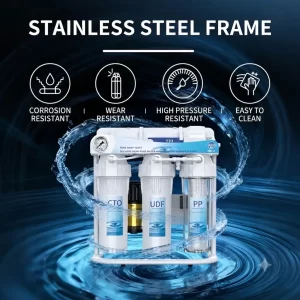
Stage 1 — PP Sediment Filter removes suspended particles — rust, sand, dust, and sediment — down to approximately 5 micrometers. These particles would physically clog the membrane’s fine pore structure if they reached it unfiltered. On municipal water, this cartridge typically turns brown or orange within months, capturing the rust and sediment released from aging distribution pipes.
Stage 2 — Granular Activated Carbon (GAC) removes free chlorine, chloramines, and VOCs. This stage is essential not just for taste improvement but for membrane protection: chlorine degrades the polyamide material of the RO membrane rapidly, shortening its lifespan from 18–24 months to as little as 6 months if allowed to reach it unchecked.
Stage 3 — Carbon Block (UDF) provides a denser second pass at chlorine and organic compound removal, ensuring chlorine concentration entering the membrane is effectively zero.
Stage 4 — The RO Membrane
The membrane is where reverse osmosis actually happens. Under inlet pressure of 0.2–0.4 MPa, water is forced through the 0.0001-micrometer semipermeable barrier. Dissolved lead ions, nitrate compounds, fluoride, PFAS, arsenic, bacteria, dissolved salts, and pharmaceutical residues are rejected and flushed to drain. TDS reduction reaches up to 98% — bringing 400 ppm tap water to 6–12 ppm at output.
Stage 5 — Post-Carbon Polish
After the membrane, water is chemically clean but may carry trace process odors from the system itself. A post-carbon stage (typically a T33 carbon block) removes any residual taste before water reaches the faucet — the difference between water that tests clean and water that actually tastes clean.
Stages 6–7 — Optional Enhancement Stages
Stage 6 — Mineral Ball Filter reintroduces beneficial trace minerals — calcium, magnesium, potassium — that the RO membrane removes alongside contaminants. Pure RO water at near-zero TDS has a flat taste; controlled mineral reintroduction restores a balanced flavor profile. Recommended for households where filtered water is the primary daily drinking source.
Stage 7 — UV Sterilizer exposes output water to ultraviolet light that disrupts bacterial and viral DNA, achieving a 99.9% pathogen kill rate without chemicals. UV addresses any microorganisms introduced after the membrane through delivery lines — particularly relevant for households with newborns, pregnant women, or elderly members with compromised immune function.
What an RO System Removes — and What It Doesn’t
Understanding the removal profile prevents both overconfidence and unnecessary concern about what comes out of an RO tap.
What RO Removes Effectively
An RO system removes the following contaminant categories reliably under standard operating conditions, verified by NSF/ANSI 58 testing protocols:
- Dissolved heavy metals: lead, arsenic, cadmium, mercury, chromium — up to 98% reduction
- Ionic compounds: nitrates, fluoride, sulfates, dissolved salts — up to 98% reduction
- PFAS (forever chemicals): 95%+ reduction via membrane rejection
- Bacteria: physically blocked by membrane pore size
- Total dissolved solids (TDS): 90–98% reduction
- Chlorine and chloramines: removed by pre-filter carbon stages
- Pharmaceutical residues: largely rejected by membrane
What an RO System Does Not Remove
No single technology removes everything, and honest evaluation of an RO system’s limits matters for households with specific concerns.
Although bacteria and viruses are typically blocked by the RO membrane, conditions can exist where microorganisms get through. If your water is not already microbiologically safe, RO alone is insufficient. This is the primary reason the UV sterilizer upgrade (Stage 7) is recommended for households on well water or with immunocompromised members — it provides a certified disinfection layer that the membrane alone does not guarantee.
An RO system also does not soften water in the traditional sense. While it removes calcium and magnesium ions at one tap, whole-house scale problems — in shower heads, water heaters, washing machines — require a whole-house water softener installed at the point of entry.
Tank-Based vs Tank-Free RO Systems: Why the Design Matters
Most conventional RO systems store purified water in a pressurized holding tank between the membrane and the faucet. Because reverse osmosis water is so pure, it can pick up bad tastes and odors from the storage tank’s bladder or walls if stored for long periods of time. Beyond taste, stagnant purified water in a tank creates conditions for bacterial biofilm development — particularly when tanks are not flushed regularly or when ambient temperatures are elevated. A system can pass Stage 4’s membrane flawlessly and still deliver compromised water at the tap if the tank is the failure point.
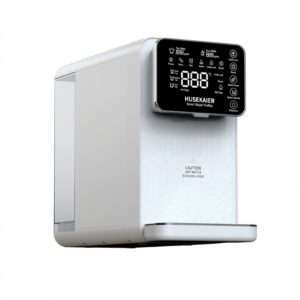
Tank-free, on-demand RO systems eliminate this risk entirely: water is processed at the moment of use rather than stored. The Watpur RO water purifier uses this tank-free architecture, which also routes pre-filtered water (Stages 1–3) to a secondary outlet for vegetable washing and dish rinsing — meaning the RO membrane handles only drinking-volume demand, extending membrane service life compared to systems that route all kitchen water through the membrane.
For households with infants, pregnant women, or elderly members — where the purpose of the RO system is precisely to eliminate biological and chemical risk — the tank-free design closes a secondary contamination path that tank-based systems leave open by design.
Certifications: How to Tell if an RO System Actually Does What It Claims
The gap between a certified RO system and an uncertified one marketing itself with similar language is significant. Independent certification is the mechanism that makes claims verifiable.
Key Certifications to Look For
NSF/ANSI 58 is the primary standard for residential RO systems. It verifies TDS rejection rates and contaminant reduction claims under controlled laboratory conditions — meaning the actual product was tested by an independent body, not just the membrane component. If you have specific health concerns, only use an RO system validated to NSF/ANSI 58 for the contaminants in question.
NSF/ANSI 53 certifies health-effects contaminant reduction including lead, cysts, and VOCs. A system holding both NSF/ANSI 58 and NSF/ANSI 53 provides the most comprehensively documented protection for health-driven purchase decisions.
EPA WaterSense (released November 2024) is a newer efficiency label for point-of-use RO systems that verifies both water efficiency and minimum performance standards including TDS reduction and membrane longevity.
How to Verify Before You Buy
Go to nsf.org/certified-products, search by brand name, and confirm the specific model — not just a component — is listed. Language such as “NSF-equivalent tested,” “NSF-style certified,” or “meets NSF standards” indicates the product was not independently certified.
The Watpur RO system holds CCC certification (electrical safety), ISO 9001 quality management certification, and a provincial health permit (Certificate No.: Yue Wei Shui Zi [2024]-02-S0439).
Does Your Home Actually Need an RO System?
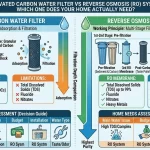
This is the question most competing articles avoid answering directly. The honest answer depends on your water source, pipe age, household composition, and TDS reading.
When an RO System Is the Right Choice
- Your tap water TDS consistently reads above 300 ppm
- Your building was constructed before 1986 (lead pipe risk)
- You are on a private well without upstream treatment
- Your water quality report shows elevated lead, nitrates, arsenic, or PFAS
- Your household includes formula-fed infants, pregnant women, or elderly members with compromised kidney function
- You currently spend $50+ per month on bottled water
When a Carbon Filter Is Sufficient
- You are on treated municipal water with TDS below 200 ppm
- Your only concern is chlorine taste and odor
- No vulnerable household members are present
- Your annual water quality report shows no specific contaminant concerns
When an RO System Won’t Solve Your Problem
- Your concern is whole-house scale — that requires a water softener
- Your concern is whole-house bacterial risk — that requires a point-of-entry UV or chlorination system
- Your water contains high iron levels — iron fouls RO membranes and requires an iron pre-filter upstream
What an RO System Costs to Own Over Three Years
In the 2026 imported market, comparable tankless RO systems run $280–$600 for the device, with annual filter costs of $80–$200 and membrane replacement at $30–$60 per swap. Watpur sits below this range while meeting the same CCC, ISO 9001, and health-permit certification standards.
| Cost Item | Market Reference (imported systems) | Watpur (reference) |
|---|---|---|
| Device purchase | $280–$600 | Contact us for current pricing |
| Annual filter cost (Stages 1–3, 5) | $80–$200/year | Below market range |
| RO membrane (every 12–24 months) | $30–$60/replacement | Below market range |
| Water usage increase | ~$5–$15/year | Same |
| 3-Year TCO | ~$550–$1,100 | Below market range |
For a family of four currently buying bottled water at $1.50 per 1.5L bottle, annual bottled water spend runs $730–$800 — putting the three-year RO TCO below two years of bottled water costs even at the top of the market range.
Conclusion
An RO system is the most comprehensive point-of-use water purification method available for home use. For households with dissolved contaminant concerns, vulnerable family members, or TDS above 300 ppm, it is the appropriate standard rather than an optional upgrade. For households on low-TDS municipal water with no specific contaminant concerns, a quality carbon filter remains the more cost-effective solution. The decision should follow from your water profile, not from the technology’s reputation.
Three steps before you decide:
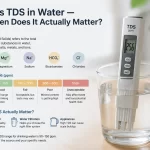
- Test your tap water TDS with a $10–$15 meter and request your municipal water quality report.
- Identify your household risk profile. Infants, pregnant women, elderly members, older buildings, and well water all shift the decision toward RO.
- Verify certifications before you buy. NSF/ANSI 58 is the non-negotiable baseline for any RO system purchase.
→ View the Watpur RO Water Purifier — 100G, 400G, and 600G models
FAQ
Q1: What does RO stand for, and what does an RO system do?
RO stands for reverse osmosis. An RO system forces tap water through a semipermeable membrane at 0.0001 micrometers, removing up to 98% of dissolved contaminants including lead, nitrates, fluoride, PFAS, arsenic, and bacteria. Unlike carbon filters, which remove chlorine and organic compounds through adsorption, an RO system removes dissolved ionic contaminants that no other consumer filtration technology reliably addresses.
Q2: How long does an RO system last, and how often do filters need replacing?
A well-maintained RO system typically functions effectively for 10–15 years. Pre-filters (Stages 1–3 and 5) require replacement every 3–6 months depending on local water quality and usage. The RO membrane (Stage 4) typically lasts 12–24 months. Skipping pre-filter changes is the most common cause of premature membrane failure — an exhausted carbon pre-filter stops protecting the membrane from chlorine, accelerating membrane degradation significantly.
Q3: Does RO water taste different from tap water?
Yes, noticeably so for most people. RO water at near-zero TDS has a clean, neutral taste because the dissolved minerals that create the characteristic flavor of tap water have been removed. Some people find very low TDS water slightly flat. The Stage 6 mineral ball upgrade reintroduces calcium and magnesium at controlled concentrations, restoring a balanced mineral taste without reintroducing contaminants.
Q4: Is RO water safe for daily drinking, including for children?
Yes. RO water is safe for daily consumption by all age groups. The minerals removed by RO are absorbed more efficiently from food than from water, so dietary mineral intake is not affected. For formula-fed infants specifically, RO water is the recommended choice because it removes lead, nitrates, and fluoride — the three contaminants with documented developmental risk for infants. Consult your pediatrician regarding the appropriate configuration for newborns under 2 months.
Q5: What is the difference between a 5-stage and 7-stage RO system?
A 5-stage RO system (PP sediment + GAC + UDF + RO membrane + post-carbon) delivers the core filtration function: removal of dissolved heavy metals, nitrates, fluoride, PFAS, and bacteria. Stages 6 (mineral reintroduction) and 7 (UV sterilization) are meaningful enhancements rather than necessities for most households. Stage 6 improves taste and mineral balance. Stage 7 provides a certified 99.9% pathogen kill rate, recommended for newborns, pregnant women, elderly members, or households on well water.